Why Everyone is Buying the Cloud Alpha S (Full Review)
I've been using the HyperX Cloud Alpha S for six months now — long enough to stop paying attention to the hype and start paying attention to day-to-day reality. I bought it because I wanted a headset that could do everything reasonably well: music, competitive gaming, long conference calls, and the occasional movie binge. What I found was a surprisingly versatile headset with a few clever design choices and a couple of trade-offs you should know about before you buy.
Introduction: Who the Cloud Alpha S is for
When I first read about the Cloud Alpha S, the marketing pitched it as an upgraded iteration of the already-popular Cloud Alpha: dual-chamber drivers, improved audio tuning, and a better mic experience. In my experience, the Cloud Alpha S is best for someone who wants a comfortable, bass-forward sound signature that still preserves mid clarity — people who play competitive shooters but also listen to electronic, hip-hop, or cinematic soundtracks. I found it works equally well for long work-from-home sessions and late-night gaming marathons.
What I tested and how I tested it
I tested the Cloud Alpha S primarily with a mid-range gaming PC and a smartphone. I used the 3.5mm analog connection for mobile and console testing, and the included USB sound card for the virtual 7.1 surround experience on PC. My listening tests included a mix of songs (lo-fi, EDM, jazz), game sessions (first-person shooters, RPGs), and voice calls. I also wore the headset for extended stretches — several 3–4 hour sessions — to evaluate comfort and heat buildup.
Design, comfort, and build quality
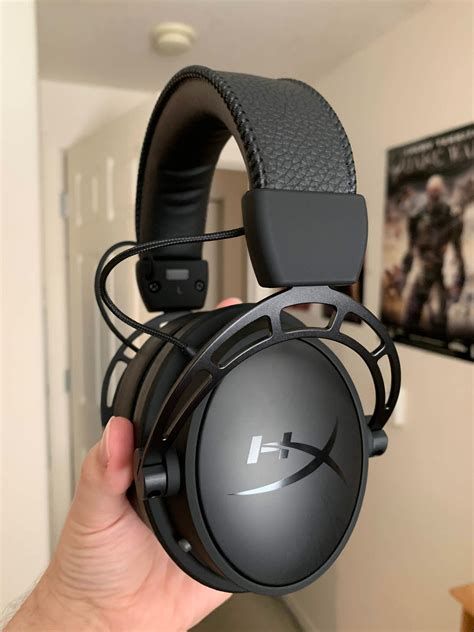
Out of the box, the Cloud Alpha S feels familiar if you’ve handled HyperX headsets before: a robust metal-reinforced headband with soft memory foam padding and plush, leatherette earcups. I noticed right away that the clamping force felt a bit firmer than other HyperX models. After a few days of use the headband loosened slightly and the fit became more comfortable; if you plan to try it on in a store, don't be put off by the initial snugness.
The earcups are large and cup my ears completely, which I appreciated during long sessions because they reduced hotspots. That said, the leatherette can trap heat in long, warm rooms — I noticed some sweat on summer days during marathon sessions. The detachable microphone is straightforward to attach and remove; it's flexible enough to position close to my mouth, and it stays put during normal movement.
What I appreciated
- Durable feeling: The metal guide rails and solid construction made the headset feel like it could survive frequent use and travel.
- Comfort for long sessions: The memory foam is genuinely comfortable once the clamping force relaxes a bit.
- Convenient controls: The bass sliders on the earcup are one of those small features I ended up using more than I expected — instant tuning without opening software is very handy.
What bothered me
- Heat buildup: Leatherette earcups trap heat during long, warm sessions.
- Initial clamp pressure: It needed a break-in period for ideal comfort.
- Plastic parts visible: While durable, the overall finish feels a touch more plastic than premium competitors.
Sound quality and performance
Sound is where the Cloud Alpha S shines for me. The dual-chamber driver design separates the bass from the mids and highs in a way that reduces muddiness — bass notes hit firmly but don't overwhelm the mids. In my experience, this makes dialogue and in-game footsteps much clearer than I'd expect from a bass-forward headset.
For music, the bass is punchy and satisfying for EDM and hip-hop. I noticed acoustic and vocal tracks retained detail — female vocals sounded natural, and guitar plucks had good presence. The highs are not overly bright, which reduces listener fatigue during long listening sessions.
In shooters, positional audio with the analog 3.5mm connection was competent: you can tell left from right and get a decent sense of distance. Switching to the USB sound card and turning on virtual 7.1 surround (software-enabled) added a layer of immersion in single-player games. For competitive play, I often stuck with stereo because I felt it delivered crisper directionality for quick footsteps and gunfire.
Discover deals on Audio & Headphones — updated daily.
View Offers →Microphone quality
The detachable mic is clear for voice calls and streaming. In my calls, people described my voice as "present" and "natural." It is not an XLR studio mic, so when I spoke loudly or in noisy environments I noticed some compression and background pickup. HyperX’s mic has a built-in foam windscreen that helps reduce plosives, which I appreciated during long voice chats. For podcasters or streamers who want broadcast-level fidelity, you’ll likely want a dedicated USB or XLR mic — but for gamers and remote work, the Cloud Alpha S mic is more than adequate.
Software and customizability
HyperX’s software lets you toggle virtual 7.1 surround and tweak an EQ. I used the software mainly to experiment with EQ presets and to fine-tune microphone levels. Software control was helpful but not essential thanks to the physical bass sliders on the headset. I did find the software less feature-rich than some competitors' suites — there's no advanced room calibration or multi-band parametric EQ — but it covered the basics I needed.
Battery and wired use
The Cloud Alpha S is primarily a wired headset, so battery life isn't a selling point here. The USB dongle for PC-powered virtual surround doesn't need charging; it draws power from the USB port. That simplicity meant no surprises with dead batteries mid-session — a practical advantage over wireless headsets. I used the 3.5mm cable extensively with a phone and a controller and appreciated the consistent performance.
Real-world durability and day-to-day use
After six months of daily use, including travel and desk work, the headset showed only typical wear: minor scuffs on the plastic trim and slightly compressed earcup cushions. The headband padding retained most of its shape. The detachable mic's connector remained snug; I never had it wobble or lose connection mid-call. Overall, the headset felt like it would last for years under normal use.
Pros & Cons
- Pros
- Dual-chamber drivers deliver powerful bass without drowning mids
- Comfortable for long sessions after a short break-in
- Physical bass sliders allow quick tuning on the fly
- Detachable mic offers clear voice pickup for gaming and calls
- Durable construction with metal-reinforced headband
- Reliable wired connections for consistent audio and zero battery worries
- Cons
- Leatherette earcups can trap heat during long sessions
- Initial clamp force is a touch strong until broken in
- Software is serviceable but lacks deep EQ/customization
- Not as refined in build finish compared to some premium competitors
Comparison table: Cloud Alpha S vs. common alternatives
| Model | Driver Type / Notable Feature | Surround | Mic | Comfort | Best for |
|---|---|---|---|---|---|
| HyperX Cloud Alpha S | Dual-chamber drivers; bass sliders | Virtual 7.1 (USB) | Detachable, good for calls | Padded memory foam, firm clamp initially | Balanced gaming & music; long sessions |
| HyperX Cloud II | Single-chamber, warm sound | Virtual 7.1 (USB) | Detachable, decent | Comfortable, similar fit | Entry-level gaming comfort |
| SteelSeries Arctis 7 | Clear mids, balanced sound | Software surround | Retractable ClearCast mic (excellent) | Lightweight, breathable ear cushions | Wireless gaming with long battery life |
| Logitech G Pro X | Detachable mic with Blue VO!CE | Software surround | Professional-grade muting & processing | Comfortable, slightly tighter fit | Streaming and competitive play |
Buying guide: What to consider before you buy
In my experience, the Cloud Alpha S is a strong pick when you value a good balance between music fidelity and gaming needs. Here are the practical things I would check before pulling the trigger:
1. Wired vs. wireless
If you prefer absolute freedom of movement and don't mind charging another device, a wireless headset (like the Arctis 7) might suit you better. I preferred wired for reliability and zero latency; during long sessions I never worried about battery dips.
2. Do you want bass you can control?
The physical bass sliders are a standout for me. If you enjoy switching between punchy bass for music and tighter bass for competitive gaming, that manual control is more convenient than switching EQ profiles in software.
3. Microphone expectations
If your priority is streaming or professional podcasts, plan on a separate mic. The Cloud Alpha S mic is excellent for in-game chat and remote meetings but not for broadcast-quality recording without extra processing.
Shop the latest Audio & Headphones picks on Amazon.
Browse Now →4. Comfort and fit
Try the headset on if possible. The initial clamp can feel tight, so testing helps you see how it will settle on your head. If you naturally run hot or play in warm rooms, consider breathable alternatives or plan on swapping to cloth earcups if you can.
5. Platform and surround sound
Virtual 7.1 via USB can be fun for immersive single-player games on PC, but it’s not a substitute for a true multi-driver surround system. If you need precise positional audio for esports, test stereo and virtual surround where possible to decide which you prefer.
6. Longevity and warranty
Check the warranty and the availability of replacement earcups or cables. After months of use, parts like earcups compress and connectors suffer wear; knowing you can replace consumables extends the headset's useful life.
My final verdict
After six months with the Cloud Alpha S, my impression is that it's a thoughtfully improved version of a proven formula. The dual-chamber drivers deliver more controlled bass than you'd expect from a headset in this class, and the bass sliders are a joy to use in real life. I appreciated the comfort and reliability during long days of back-to-back meetings and evening gaming sessions.
That said, it's not perfect. The leatherette cups can get warm, the software is adequate but not best-in-class, and the build finish leans practical rather than premium. If you're the kind of user who needs the absolute top mic quality or wants a wireless setup, there are better specialists. But if you're after a versatile wired headset that sounds great out of the box, handles music and gaming equally well, and won't force you to tweak profiles constantly, the Cloud Alpha S delivered for me.
Conclusion
In my experience, the Cloud Alpha S earned its place on my desk because it does many things well without demanding compromises. It's comfortable enough for long sessions, flexible enough with its bass controls to suit different listening modes, and durable enough to withstand regular use. I was surprised by how often I reached for the bass sliders, and I noticed that teammates could always hear me clearly in calls. One thing I wish were better is breathability in the earcups, but that small frustration doesn't outweigh the headset's many strengths. If you're looking for a well-rounded wired headset that balances sound quality, comfort, and practical features, the Cloud Alpha S is a very compelling choice — and after months with it, I still reach for it first.