Should You Buy the Mpg 321Urx Qd Oled in 2026? A Deep Dive
I've been using the Mpg 321Urx Qd Oled for several months now as my primary monitor for work, gaming, and photo/video editing. I bought it because QD-OLED panels promised the kind of deep blacks and color vibrancy that traditional LCDs struggle to reproduce, and because I wanted a single screen that could handle bright HDR movies and fast-paced competitive games without compromise. What I found was a monitor that excels in many ways and frustrates in a few very specific ways — the kind of mixed experience that matters when you plan to keep a display on your desk for years.
Introduction: why I chose this monitor
When I was shopping, I wanted a 32-inch screen with OLED-level contrast, accurate colors out of the box, and a responsive feel for gaming. I also needed a display that could sit on a single desk and serve both as a creative tool and a gaming platform. The Mpg 321Urx Qd Oled ticked those checkboxes on paper, and after living with it for months I can tell you what worked in real life and what felt like trade-offs.
First impressions and daily use
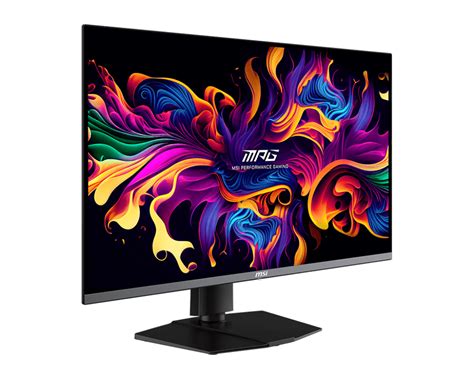
Out of the box, the monitor looks clean and relatively understated. The bezel is slim, the stand is solid, and the on-screen menu is accessible without being overcomplicated. I set it up on my desk and immediately noticed how striking skin tones and saturated colors looked — movies and still photos jumped in a way my old IPS monitor never managed. In my experience, QD-OLED's color saturation and black level are the most immediate and tangible improvements.
I've spent months switching between creative work (photo and video editing), general productivity (lots of text windows, spreadsheets, and web tabs), and intense gaming sessions. The monitor handled each mode well, but the differences between what the panel is capable of and how I used it day-to-day are worth detailing.
Image quality and color
In my experience the biggest strength of the Mpg 321Urx Qd Oled is image quality. The blacks are truly inky — when a scene is supposed to be dark, it looks dark. Contrast feels limitless for normal room viewing. Color vibrancy is excellent without looking oversaturated if you keep default settings. I noticed that after a short calibration pass (I used basic color correction tools built into my OS and a calibration profile I found useful), skin tones and subtle gradient work in photos became much easier to evaluate.
One thing I appreciated: highlights in HDR content pop without the bloom or haloing that I used to see on edge-lit LCDs. HDR playback of movies and game cutscenes felt more cinematic. That said, in very bright rooms the display doesn't compete with full-array backlit LCDs in raw peak nit output — if you sit in direct sunlight behind you, the perceived HDR “wow” will be muted compared to very bright Mini-LED monitors. In my home office (controlled light), this wasn't a problem.
Gaming and motion
I've used the monitor for both competitive shooters and single-player RPGs. What I found was that motion clarity is excellent for an OLED: the panel feels snappy, animations are smooth, and smearing is minimal for normal desktop movement.
During frantic multiplayer matches I appreciated the low input lag and the way colors don't wash out when turning quickly from bright to dark areas. I did notice that some ultra-fast motion can show faint trailing that is different from the more familiar IPS smear; it's subtle but perceptible if you watch for it. For me this was not a deal-breaker, but if you obsess over absolute motion clarity at the level of professional esports monitors, it's something to keep in mind.
Ergonomics, build, and OSD
The stand included with my unit is sturdy and allows for reasonable height and tilt adjustments. I appreciated the swivel and slightly recessed base that helps place speakers (if you use the monitor's built-ins) or accessories in front without feeling cramped. The on-screen display is logical: I was able to switch profiles, toggle motion-related settings, and adjust color modes without diving into dozens of nested menus. That said, the physical buttons/dial on the monitor took a little learning — at first I missed the tactile immediacy of a simple joystick, but I adapted.
Looking for the best Electronics deals on Amazon?
View Offers →Build quality felt solid: the chassis has a premium feel, and ports are placed where I can reach them without disassembling anything. The monitor is heavier than my previous IPS 32", so make sure your desk setup can accommodate it if you plan to use a VESA arm.
Connectivity and extras
I've used both a DisplayPort cable to connect my desktop GPU and an HDMI output for my console. Switching between sources is straightforward. The monitor also offers a handful of USB ports which I use for a keyboard dongle and a mouse, making it convenient as a partial hub. There are some extra software features in the included driver suite (on-screen crosshairs, refresh-rate indicators, and some basic calibration presets) — I used the presets as starting points and then created a custom profile for creative work.
One small annoyance: the built-in speakers are fine in a pinch but thin on bass and lack depth. I returned to my dedicated speakers for music and movies. If you care about audio, plan to use external speakers or headphones.
Reliability and burn‑in — the big caveat
One of the most common questions I had before buying was about OLED burn-in. After months of mixed use — lots of static UI elements like toolbars, sidebars, and streaming apps — I noticed no obvious permanent burn-in on my unit. What I did notice, though, was that when I left an application with static elements on the screen for several hours daily without the usual screen savers or pixel-shift features, faint retention would appear and then mostly fade after regular use.
In my experience the practical approach is what saved me: enabling built-in pixel-shift and automatic screensaver options, keeping brightness in check during long static sessions, and using a mixed set of content rather than daily 12+ hour static image sessions. I also changed my workflow to hide persistent UI elements during prolonged editing sessions. Those habits kept retention from becoming a persistent problem.
That said, I think potential buyers should be honest about their usage. If your workflow has many hours of truly static interface elements displayed at high brightness every day — for example, some control-room or point-of-sale use cases — OLED might be a risky long-term choice.
What I liked and what bothered me
- What I liked: Deep blacks and excellent contrast that make movies and photos look cinematic.
- What I liked: Vibrant color performance with minimal calibration needed for pleasing results.
- What I liked: Responsive feel for gaming with low input lag and good VRR support in my tests.
- What I liked: Solid build and convenient ports that let the monitor double as a small desktop hub.
- What bothered me: Concern (and slight visible temporary retention early on) about burn-in, which forced changed habits I didn't expect to modify.
- What bothered me: Built-in speakers are weak — plan on buying or using external audio solutions if you care about sound quality.
- What bothered me: HDR peak brightness is excellent for OLED standards but still falls short of the brightest Mini-LEDs in very bright rooms.
Pros & Cons (quick list)
- Pros: True blacks and superior contrast; excellent color vibrancy; versatile for creative work and gaming; solid ergonomics and build.
- Cons: Potential for burn-in under heavy static use; built-in audio is mediocre; not the absolute brightest in HDR for sunlit rooms.
Comparison table: Mpg 321Urx Qd Oled vs typical 32" alternatives
| Feature | Mpg 321Urx Qd Oled | Typical 32" IPS 4K | Typical 32" Mini-LED |
|---|---|---|---|
| Black level / Contrast | Exceptional — true blacks, outstanding contrast | Good, but backlight bloom in dark scenes | Very good; depends on local dimming quality |
| Color vibrancy | Very high — rich and punchy without obvious oversaturation | Accurate after calibration, less pop | High; strong HDR highlights possible |
| HDR impact | Cinematic; deep blacks improve perceived HDR contrast | Depends on peak brightness and local dimming | Bright highlights and strong HDR if many zones |
| Motion / Gaming | Responsive with low lag; slight OLED-specific trailing in some fast scenes | Good, sometimes motion blur on VA panels | Excellent; can be very fast with high refresh |
| Burn-in risk | Present — manageable with good habits | Negligible | Negligible |
| Brightness in bright rooms | Good for typical rooms; not the brightest in direct sun | Varies; some panels are bright enough | Usually best for very bright rooms |
| Price / Value | Premium price for QD-OLED tech | Often best value | Premium (especially with many local dimming zones) |
Buying guide: who should consider the Mpg 321Urx Qd Oled?
Here are the questions I asked myself and how they apply if you’re thinking about buying this monitor:
Are you a creative professional who values black levels and color?
In my experience, if you do color-critical work and you value the way deep blacks allow color to pop, this monitor is a very strong contender. It makes grading and color spotting easier in typical studio lighting, and the perceived contrast helps reveal subtle midtone differences. That said, if your workflow requires absolute brightness for proofing prints in very bright rooms, consider a Mini-LED alternative as well.
Looking for the best Electronics deals on Amazon?
Shop Amazon →Are you a mixed user (games + productivity)?
I was. I wanted one monitor that handled both tasks. This unit did both well: I could game competitively and then switch to editing a photo without feeling like I needed a second display. If you want a single, do-it-all screen and are willing to adopt a few OLED-care habits, it’s a great option.
Do you leave static elements on screen all day?
If your day includes 8–10 hours a day of static UI elements at high brightness — for example, airline dispatch screens, medical interfaces, or certain trading terminals — OLED is probably not a wise choice. From my experience, the risk of retention increases with prolonged, repetitive static imagery. For regular office work and home use, the risk is controllable.
What to check when you buy
- Check the return and warranty terms for OLED-specific issues — having a good warranty gives peace of mind.
- Plan for calibration: even though the out-of-box color is good, a simple calibration pass will improve accuracy for creative work.
- Ask about built-in pixel-shift or screensaver options and make sure they're enabled for long sessions.
- Consider whether you need the monitor to act as a USB hub and which ports you will actually use; my workflow benefited from the spare USB ports but your mileage may vary.
Practical tips from living with it
- Enable any automatic pixel-shift or screen-saver features the monitor offers.
- Keep a screensaver or sleep policy for long idle periods — I set mine to engage after 10 minutes.
- Lower peak brightness for long static use. I step down brightness to a comfortable 50–60% for day-to-day editing and only ramp it up for HDR playback.
- Rotate your workflow: if you often have static palettes on one side of the screen, move windows around occasionally or use auto-hide toolbars.
- Use external audio for media. The built-in speakers are okay but not a replacement for a proper audio setup.
How it held up over time
After several months, the monitor still looks great. I did see faint temporary retention after several days of leaving a static engineering tool open at high brightness; it faded within a day of mixed content. I continue to use it daily for work and play and haven't encountered any permanent burn-in. Long-term, I plan to keep following the preventive steps I mentioned. For me, the image quality benefits outweigh the procedural changes I had to adopt.
Final verdict
In my experience, the Mpg 321Urx Qd Oled is a compelling choice in 2026 if you want a single monitor that delivers true blacks, excellent color, and strong gaming performance. I was surprised by how cinematic movies looked and how much easier some color decisions felt during editing. One thing that bothered me initially was the need to be mindful about static UI elements — it added a small amount of friction to my previous habits — but after a few weeks the preventive measures became second nature.
If you prioritize absolute HDR peak brightness for very bright rooms, or if your work requires running static imagery at max brightness for long periods every day, a Mini-LED or high-bright IPS might be a better fit. But if you want punchy color, deep contrast, and a responsive panel that makes games and media feel immersive, the Mpg 321Urx Qd Oled delivered more than I expected in real-world use.
My recommendation: buy it if you value picture quality and are willing to adopt small OLED care habits; otherwise, consider the alternatives mentioned in the comparison table. After using this monitor for months, I still reach for it first when I want the best-looking experience on my desk.