Rgb K1 Gaming Headset First Look: Unboxing and Impressions
Rgb K1 Gaming Headset arrives as a budget-oriented gaming accessory that promises RGB flair, a comfortable fit, and the basics needed for gaming and everyday audio. This first-look article covers the unboxing experience, build and design, audio and microphone performance, real-world use cases, a side-by-side comparison with typical alternatives, a concise pros & cons list, and a practical buying guide to help readers decide whether the Rgb K1 fits their needs.
Introduction
The gaming headset market is saturated with options that trade off style for substance or vice versa. The Rgb K1 positions itself where many entry-level gamers start: visually striking RGB lighting, simple connectivity, and a promise of adequate sound for games, voice chat, and streaming. For many buyers—students, casual gamers, and streaming newcomers—price and comfort tend to matter more than audiophile-grade accuracy. This first look evaluates how well the Rgb K1 meets those core expectations on day one and in early practical use.
Unboxing and First Impressions
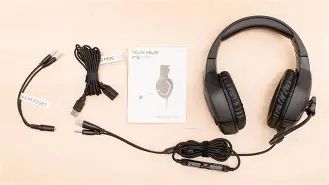
Out of the box, the Rgb K1 presents an experience typical of affordable gaming headsets. Packaging is functional and protects the headset and accessories without unnecessary extras. Included items typically consist of the headset, a detachable or fixed microphone (depending on the variant), a user manual, and simple cables for USB or 3.5mm connections. Early impressions emphasize value: the headset looks larger and more colorful than its price might suggest, with a prominent RGB element across the earcups or along the headband.
The initial tactile feel is important. The Rgb K1 often balances plastic construction with soft-touch finishes and synthetic leather or fabric ear pads. The headband shows basic padding and adjustable sliders that feel secure, if not as refined as premium models. The control cluster—either inline on the cable or on an in-line dongle—usually offers volume, mute, and lighting toggles. For a first look, the Rgb K1 is appealing to buyers who prioritize aesthetics and straightforward functionality.
Design and Build Quality
The Rgb K1 adopts a recognizable gaming aesthetic: angular earcup shells, visible RGB zones, and accent lighting. Materials are predominantly ABS plastic, which keeps weight down and reduces fatigue during long sessions. Joints and sliders should be tested for durability; they typically operate smoothly but will not match the metal-reinforced assemblies found on higher-end headsets.
- Weight: Light to moderate, making the headset comfortable for extended gaming sessions.
- Padding: PU leather or breathable fabric pads; the choice affects long-term comfort and heat buildup.
- Adjustability: Standard sliding headband with click stops for repeatable fit.
- RGB: Customizable lighting if bundled software is provided, otherwise preset effects via a hardware toggle.
Overall, the build is pragmatic: designed to look premium at a budget price while accepting trade-offs on long-term ruggedness and premium materials.
Audio Performance and Tuning
Sound quality is the decisive factor for most buyers. The Rgb K1 typically uses 40–50 mm drivers with a tuning profile aimed at gaming: elevated bass and emphasized treble for clarity on footsteps and in-game cues, with midrange rendered sufficiently for voice clarity.
Key observations:
- Soundstage: Moderately wide for closed-back, over-ear headphones. Positional cues are present but not as precise as on open or higher-tier gaming headphones.
- Bass: Punchy and forward. Good for explosions and bass-heavy music, though it may bleed into the mids at high volumes.
- Mids: Clear enough for voice and dialogue. Some recessed mids might occur in complex mixes, which can slightly diminish instrument separation.
- Treble: Bright to ensure detail in footsteps and high-frequency effects; may be fatiguing to sensitive listeners after extended periods.
For players who prioritize competitive performance, the Rgb K1 delivers usable positional audio and satisfying impact. Audiophiles, or users who want studio-like neutrality for music production, will likely find the tuning too colored. However, for the typical buyer—multiplayer gaming, streaming, and casual listening—the Rgb K1 strikes a reasonable balance.
Microphone and Voice Quality
Voice communication quality is essential for multiplayer gaming and remote collaboration. The Rgb K1’s microphone performance tends to match other budget headsets: a unidirectional boom mic or an omnidirectional solution with noise reduction features depending on the model.
Practical impressions:
Looking for the best Audio & Headphones deals on Amazon?
See Deals →- Clarity: Good for in-game chat and voice calls; intelligibility is generally high and comfortable for teammates to listen to.
- Background noise: Basic noise suppression helps reduce ambient room noise, though loud environments may still be audible.
- Mute/Detach: A flip-to-mute or inline mute is handy for quick silencing; detachable mics offer portability if present.
Buyers who frequently record podcasts or perform professional voice work should consider a dedicated USB microphone. For everyday gaming and streaming at entry levels, the Rgb K1’s mic is adequate and reliable.
Comfort and Long Sessions
Comfort is a high-priority concern: long raids, study sessions, or work calls demand a headset that can be worn for hours without discomfort. The Rgb K1’s lightweight construction and plush padding on many variants make it suitable for multi-hour sessions. The earcups generally provide enough seal for passive noise isolation without excessive pressure.
Specific comfort notes:
- Pressure: Moderate clamp force that balances security with comfort; initial tightness usually eases with wear.
- Ear pad material: Fabric options breathe better in warm environments; PU leather isolates sound more effectively but can trap heat.
- Headband: Adequate padding; longevity depends on material quality and usage habits.
Comfort will vary between users with different head shapes and glasses-wearers; anyone sensitive to pressure should test fit where possible.
Connectivity, Controls, and Compatibility
The Rgb K1 typically offers wired connectivity options: 3.5 mm analog for broad device compatibility and a USB variant for digital audio and RGB power on PC. Inline or dongle-based controls allow for convenient volume adjustment, microphone muting, and lighting changes.
Compatibility notes:
- PC: USB models may expose virtual surround or EQ via bundled software; 3.5 mm works out of the box with desktop and laptop audio jacks.
- Consoles: 3.5 mm provides plug-and-play use with controllers; USB lighting effects may not function on consoles unless supported.
- Mobile: 3.5 mm models work with phones that retain headphone jacks; USB variants require adapters or do not function natively on many mobile devices.
For buyers wanting simplicity and broad device support, the 3.5 mm variant is the safest choice. PC users who want RGB and software-driven audio features will prefer the USB version.
Real-World Use Cases
How well does the Rgb K1 perform in common scenarios? The short answer: it performs well within expectations for its segment.
- Competitive FPS gaming: Footsteps and directional cues are clear enough for most casual to semi-competitive players. The emphasized treble helps, but players seeking razor-sharp positional accuracy might prefer specialized gaming headsets with advanced drivers or virtual surround processing.
- MMOs and long sessions: Comfort and accessible controls make the Rgb K1 a solid companion for multi-hour MMO play and raid communication.
- Streaming and casual content creation: The headset’s built-in mic and pleasing on-screen visuals (RGB) are useful for beginners who want an all-in-one solution.
- Work and online meetings: Microphone clarity is sufficient for daily video calls and remote work; noise suppression helps in home environments.
- Media and music: The headset favors bass-forward mixes; it’s enjoyable for gaming soundtracks and modern pop, less precise for classical or acoustic-focused listening.
Comparison: Rgb K1 vs Typical Budget and Mid-Range Headsets
| Feature | Rgb K1 | Typical Budget RGB Headset | Typical Mid-Range Headset |
|---|---|---|---|
| Build Materials | Predominantly plastic with soft-touch finishes | Plastic, varying durability | Mixed metal and reinforced plastics |
| Comfort | Lightweight, moderate padding | Comfort varies; sometimes thin padding | Thicker memory foam, ergonomic design |
| Audio Tuning | Bass-forward, treble emphasis for detail | Often bass-heavy; mids recessed | Balanced tuning, better instrument separation |
| Microphone | Clear for chat, basic noise reduction | Variable; may lack noise suppression | Higher fidelity, detachable or studio-grade |
| RGB & Software | Basic RGB with possible software control | RGB present, often hardware-limited | Advanced RGB, comprehensive software suite |
| Price Position | Entry-level budget segment | Lowest price tier | Mid-range, higher cost |
Pros & Cons
Pros
- Attractive RGB styling that enhances a gaming setup
- Comfortable for extended sessions thanks to a lightweight design
- Clear microphone suitable for in-game communication and remote calls
- Simple controls and wide compatibility via 3.5 mm and USB options
- Good value for buyers prioritizing style and functionality over high-end audio fidelity
Cons
- Plastic construction may limit long-term durability compared to metal-reinforced competitors
- Audio tuning is colored toward bass and treble, which may not satisfy audiophiles
- Software features (EQ, surround) may be limited or inconsistent across platforms
- Heat buildup on PU leather pads during long sessions can be an issue in warm environments
Buying Guide: How to Decide if the Rgb K1 Is Right
Choosing a gaming headset depends on personal priorities: comfort, audio fidelity, microphone quality, device compatibility, and budget. The following sections highlight practical considerations for buyers evaluating the Rgb K1.
1. Determine primary use
If gaming is the primary use—especially casual or social multiplayer—the Rgb K1 offers solid value. For competitive esports players or audio professionals, consider higher-end models with superior drivers and microphones.
Looking for the best Audio & Headphones deals on Amazon?
View Offers →2. Check connectivity needs
Decide whether the headset will be used across devices. A 3.5 mm connection is the most versatile for consoles, PCs, and mobile devices. USB variants can offer enhanced features on PC but may be less compatible elsewhere.
3. Prioritize comfort materials
Consider ear pad material and headband design. For long sessions in warm climates, fabric or ventilated padding is preferable to PU leather to reduce sweating and discomfort.
4. Microphone expectations
For clear team communication and calls, the Rgb K1’s mic is sufficient. For recording content or podcasting, allocate budget for a dedicated microphone to achieve studio-quality sound.
5. Assess software and RGB importance
RGB lighting and software customization are attractive but secondary to audio and comfort for many buyers. If extensive lighting control and EQ presets are important, confirm that the Rgb K1 includes a reliable software suite compatible with the intended platform.
6. Warranty and support
Check the warranty period and customer support options. Budget headsets often come with limited warranties; a responsive support channel can be valuable if defects appear early.
Simple checklist before purchasing
- Will it connect to all devices planned for use (PC, console, mobile)?
- Is comfort suitable for sessions of 2+ hours?
- Does the microphone need to be detachable or fold-to-mute?
- Is RGB functionality a priority or a secondary aesthetic?
- Are there verified reviews about long-term durability?
Practical Tips for New Owners
- Break in the padding by wearing the headset in short increments to let foam settle into a personalized shape.
- If the headset uses PU leather and becomes warm, take short breaks every 60–90 minutes to avoid discomfort.
- Use any included EQ presets or minimal software equalization to reduce treble fatigue by slightly lowering high frequencies if they feel too sharp.
- Secure cabling to avoid accidental tugs; a cable clip or routing behind the desk helps longevity.
Conclusion
The Rgb K1 Gaming Headset is a pragmatic choice for buyers seeking visual flair, basic comfort, and reliable communication at an accessible price. It performs admirably for common gaming and everyday scenarios: footstep clarity in multiplayer games, comfortable long-session fit for MMO players, and microphone clarity for group voice chat. Trade-offs are predictable—plastic construction, a colored sound signature, and limited software on some variants—but those are consistent with the headset’s market positioning.
For casual gamers, students, and anyone who wants an attractive, easy-to-use headset without investing heavily, the Rgb K1 represents good value. Those who demand studio-accurate sound or professional-grade microphones should consider spending more or pairing the headset with dedicated peripherals.
Ultimately, the Rgb K1 is a solid first step for newcomers who want a single, visually appealing headset to handle gaming, streaming, and everyday communications with minimal fuss.