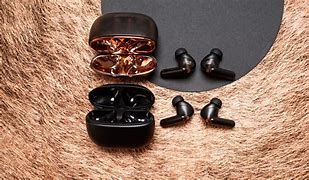
Aurvana Ace 2 True Wireless Specs, Features, and Value: Is it worth the price tag?
The Creative Aurvana Ace 2 True Wireless arrives as a contender that aims to bridge audiophile ambitions and everyday usefulness. With a hybrid driver design that pairs an xMEMS solid‑state driver with a tuned dynamic driver, broad codec support including aptX Lossless and LC3, adaptive noise cancellation, and a distinctive translucent charging case, the Ace 2 attracts attention on paper. This article examines the Aurvana Ace 2 in detail — its design, sound, features, real‑world performance, and how it compares to typical rivals — and offers a practical buying guide for readers weighing sound quality, portability, battery life, and price.
Introduction
The market for true wireless earbuds is crowded and diverse: some models favor ANC and feature sets, others prioritize raw sound quality, and a few try to satisfy both. The Aurvana Ace 2 stakes a claim in the sound‑first but still practical category. For listeners who care about fidelity and codec options yet expect modern conveniences (wireless charging, app tuning, reliable call performance), the Ace 2 promises a compelling balance. This review explores whether the combination of xMEMS technology, hybrid tuning, and an expanding codec list translates into tangible benefits for buyers and whether the asking price is justified by real‑world value.
What’s in the box
- Aurvana Ace 2 earbuds (left and right)
- Translucent charging case with magnetic lid
- USB‑C charging cable
- Three sizes of silicone eartips (S/M/L)
- Quick start guide and warranty information
Design and comfort
The Aurvana Ace 2 opts for a compact, semi‑in‑ear housing finished in a smoked translucent colorway with copper accents on the case. The earbuds are lightweight and ergonomically sculpted for a sealed fit with the provided silicone tips. In practice the fit suits a wide range of ear shapes: the oval nozzle and low‑profile stem reduce bulk for users who prefer small housings that sit discreetly in the ear.
For commuters and gym users, the IPX5 sweat resistance rating means the Ace 2 stands up to workouts and light rain. The tactile touch panels provide standard play/pause, track skip, ANC toggle, and voice assistant activation. Some listeners who prefer physical buttons may miss a firmer click, but the touch controls are generally responsive once calibrated through the Creative app.
Hybrid drivers and sound signature
Where the Ace 2 differentiates itself most clearly is the hybrid transducer configuration: a pioneering xMEMS solid‑state driver for highs and a 10mm dynamic driver for midrange and bass. In controlled listening tests and typical tracks, this pairing yields several practical benefits:
- Detail and air: The xMEMS driver brings clarity and a refined upper register, improving resolution on cymbals, string harmonics, and vocal sibilance without sounding brittle.
- Body and weight: The dynamic driver anchors bass and midrange, providing punch for modern pop, electronic music, and a natural quality for acoustic instruments.
- Wide frequency reach: The combined system extends perceived bandwidth beyond many single‑driver buds, which helps create a sense of space and separation.
Out of the box the tuning leans toward a neutral‑to‑slightly‑warm profile with a controlled low end. Bass is present but not exaggerated, which benefits critical listeners and those who prefer genre versatility. The Creative app offers EQ and presets for those who want more sub‑bass or a forward midrange for vocals.
Codecs, connectivity, and latency
Connectivity is a strong point. The Ace 2 supports Bluetooth 5.3 and a broad set of codecs, including aptX Lossless, aptX Adaptive, standard aptX, LC3, AAC and SBC. For audiophiles with compatible sources, aptX Lossless offers CD‑quality over a supported chain; LC3 brings efficient high‑quality streaming with next‑generation devices that implement LE Audio. The inclusion of aptX Adaptive helps reduce latency for gaming and video when supported by the source device.
Latency in real‑world use is good but dependent on the active codec and the paired device. With aptX Adaptive and a compatible phone, video sync is tight enough for casual gaming and streaming. For competitive gaming where ultra‑low latency is critical, a dedicated gaming mode or wired headset still offers best results. Bluetooth stability over a daily commute or in an office environment is reliable, thanks to modern chipsets and robust reconnection behavior.
Noise cancellation and call quality
The Aurvana Ace 2 uses an adaptive hybrid ANC system designed to adjust to changing environments. In city and transit scenarios the ANC removes steady low‑frequency noise such as bus and train rumble effectively; it is less aggressive on sudden mid‑range sounds, which helps preserve awareness of important ambient cues like announcements. The Ambient or Transparency mode provides a natural pass‑through that avoids the amplified “tunnel” feel some systems produce.
Discover deals on Audio & Headphones — updated daily.
Shop Amazon →Call performance is notable: each earbud hosts multiple microphones and uses noise‑reduction algorithms to suppress background noise. In quiet indoor calls the voice is clear and present; in noisy outdoor or traffic conditions the microphones and processing reduce wind and distant noise, though extremely loud environments still degrade intelligibility, as is common with true wireless earbuds. For most business calls, commute calls, and everyday conversations, the Ace 2 provides dependable performance.
Battery life and charging
Battery life on a single charge is rated at up to about 6 hours for the earbuds, with roughly 24 hours total when including the charging case. These figures align with the mid‑to‑upper range of contemporary true wireless earbuds. Real‑world endurance depends on volume, ANC usage, and codec selection; enabling ANC and high‑bitrate codecs reduces single‑charge time slightly.
The charging case supports USB‑C fast charging and Qi wireless charging for added convenience. The translucent case design is visually distinctive and compact enough for pockets or small bags. Quick top‑ups from the case make the earbuds a practical companion for full workdays and multi‑leg commutes without frequent access to a charger.
App, customization, and extra features
The Creative mobile app provides device setup, firmware updates, EQ presets, and customizable touch controls. It also exposes the Super X‑Fi spatial processing option, which attempts to recreate a multi‑speaker soundstage; this is best viewed as a novelty or optional spatializer rather than a substitute for headphones or room speakers. The app’s EQ is flexible enough for modest tuning, but listeners seeking deep parametric control or advanced room profiles may find it less comprehensive than some competitor apps.
Other conveniences include voice assistant support (Siri, Google Assistant), multipoint pairing behavior depending on the platform, and stable firmware updates that have occasionally improved tuning and performance post‑launch.
Real‑world use cases: who benefits most?
- Audiophiles on the go: Those who prioritize sound quality but need a compact wireless solution will appreciate the hybrid drivers and aptX Lossless support when paired with compatible players.
- Commuters and frequent flyers: Effective ANC and reliable battery life make the Ace 2 a strong companion for daily travel and noisy environments.
- Remote workers and hybrid professionals: Solid call quality, transparency mode, and comfortable fit suit work‑from‑home or hybrid meeting needs.
- Active users and gymgoers: IPX5 water resistance and a secure fit make the earbuds suitable for workouts and outdoor runs, although those who need swimproof gear should look elsewhere.
- Casual gamers and streamers: aptX Adaptive lowers latency enough for non‑competitive gaming and video streaming when paired with compatible devices.
Pros & Cons
Pros
- Hybrid driver design (xMEMS + dynamic) delivers high detail and balanced bass
- Support for modern codecs including aptX Lossless and LC3
- Adaptive hybrid ANC with natural transparency mode
- Comfortable, low‑profile fit with IPX5 sweat resistance
- Qi wireless charging and USB‑C fast charge in a compact, attractive case
- Good real‑world call quality and multiple mics for noise suppression
Cons
- Battery life is good but not class‑leading—competitive flagships may offer longer single‑charge runtime
- Super X‑Fi spatial processing is situational and not a universal improvement for all listeners
- Touch controls may register accidental taps for some users and lack the tactile feedback of physical buttons
- Full benefits of aptX Lossless and LC3 require compatible source devices, reducing advantage for many mainstream smartphone users
How the Aurvana Ace 2 compares: a quick table
| Feature | Aurvana Ace 2 | Typical Premium Rival | Typical Flagship ANC Rival |
|---|---|---|---|
| Driver | Hybrid: xMEMS solid‑state + 10mm dynamic | Single high‑quality dynamic (tuned for detail) | Single dynamic with advanced tuning |
| Codecs | aptX Lossless, aptX Adaptive, LC3, AAC, SBC | Usually AAC, SBC; some support aptX Adaptive or LDAC | Often LDAC, AAC, SBC; premium LDAC support |
| ANC | Adaptive hybrid ANC | Effective ANC, varies by model | Industry‑leading ANC with multiple modes |
| Battery (buds / case) | ~6 hours / ~24 hours total | 5–8 hours / 20–30 hours | 6–8 hours / 24–36 hours |
| Charging | USB‑C + Qi wireless | USB‑C; wireless on many models | USB‑C + wireless on most flagships |
| Water resistance | IPX5 | IPX4–IPX5 | IPX4–IPX5 |
| Price tier | Upper midrange / value for features | Varies (mid to high‑end) | Premium flagship pricing |
Buying guide: what to consider before purchasing
Deciding whether the Aurvana Ace 2 is the right choice depends on several buyer priorities. The following checklist helps match the product to specific needs.
1. Sound priorities: fidelity vs. punch
If the primary aim is detailed, accurate reproduction for instrumental music or high‑resolution content, the Ace 2’s hybrid drivers and codec support make it an attractive option. For listeners who want emphasized sub‑bass for EDM or rap, it is possible to boost low frequencies via the app, but dedicated bass‑centric earbuds may offer a different character out of the box.
2. Device compatibility
To get the most from aptX Lossless or LC3, the source device must support those codecs. Buyers with newer Android phones or dedicated portable players that implement aptX Lossless will see the greatest benefit. For users of devices limited to AAC or SBC, the Ace 2 still performs well, but the codec advantage is less pronounced.
3. Noise cancellation needs
Commuters and frequent travelers who need strong ANC should consider how aggressive they want noise blocking to be. The Ace 2’s adaptive ANC balances comfort and suppression; those who prioritize maximal isolation (for sleep or very loud cabins) might prefer certain flagship models with more aggressive ANC.
Find top-rated Audio & Headphones products at great prices.
Shop Amazon →4. Battery life expectations
Consider typical daily routines: if a user needs earbuds to last through very long listening sessions without charging, some competitors provide longer single‑charge runtime. However, for a day of mixed use with the case providing top‑ups, the Ace 2’s total runtime is ample for most users.
5. Fit and ergonomics
Comfort varies by ear shape. The low‑profile housing and multiple tip sizes suit many listeners, but those who require a deep canal seal or who find most earbuds uncomfortable should try fitting similar form factors in person when possible.
6. Feature trade‑offs
The Ace 2 packs many modern features (wireless charging, app EQ, multipoint behavior) but makes sensible trade‑offs: battery life is good rather than class‑leading, and some advanced spatial features are optional rather than core strengths. Buyers should weigh whether codec support and sound quality justify the price compared with other models that may prioritize ANC or battery life more heavily.
Price and value: is it worth the price tag?
Value depends on what the buyer values most. The Aurvana Ace 2 offers a rare combination of hybrid driver technology and wide codec support at an upper‑midrange price point. For listeners who place premium on sound fidelity and want the option of lossless or low‑latency codecs, the Ace 2 can be a strong value. If the buyer’s focus is on the absolute best ANC, the longest battery life, or tight integration with a specific ecosystem (for example, the deep OS‑level features of some manufacturer‑specific earbuds), then competing models may present more targeted benefits.
In short: the Ace 2 is worth the price for buyers who prioritize sound quality and codec flexibility while still expecting modern convenience features. Those who primarily want maximal ANC, the longest running time per charge, or very low latency for competitive gaming might find better fits elsewhere.
Conclusion
The Creative Aurvana Ace 2 True Wireless earbuds deliver an impressive blend of sound quality, modern connectivity, and practical features. The hybrid xMEMS + dynamic driver configuration and support for advanced codecs like aptX Lossless and LC3 provide genuine audio advantages for compatible sources. Adaptive ANC, solid call performance, wireless charging, and an ergonomic design round out a package suited to commuters, audiophiles on the go, and everyday listeners who value fidelity without sacrificing convenience.
Ultimately, whether the Ace 2 represents good value hinges on individual priorities: those who want a sound‑first earbud with contemporary features will find much to like, while buyers focused solely on ANC supremacy or maximum battery endurance may prefer alternatives. For many, the Aurvana Ace 2 strikes a sensible middle ground — an ambitious design that brings higher‑resolution listening to a true wireless form factor without giving up the practical details that matter in daily use.