A Professional's Take on the New Pixma Ts702A
Introduction
The Pixma Ts702A enters the crowded consumer inkjet market at a time when buyers expect more than basic printing: they want dependable document output, competent photo reproduction, simple mobile workflows, and reasonable running costs. This review looks beyond marketing blurbs to evaluate how the Pixma Ts702A performs in real-world scenarios — home offices, student dorm rooms, and small-business environments where occasional color photos and frequent text documents coexist. The goal is to give prospective buyers a practical, professional appraisal of strengths, limitations, and the types of users for whom the Ts702A is a good match.
Overview and Positioning
Canon's Pixma line traditionally aims at users who need a balance of photo-capable color printing and crisp document quality without moving up to larger, more expensive multifunction or laser units. The Ts702A positions itself in that space as a compact, network-oriented inkjet intended to be an accessible workhorse for moderate print volumes. The review evaluates design, setup, print quality for both text and images, connectivity and software, operational cost considerations, and everyday reliability.
Design and Build
Physically, the Ts702A emphasizes a compact footprint and a modern, low-profile aesthetic that blends into a desktop or shelf. This design choice benefits users with limited space — small apartments, shared home offices, or classrooms. Controls are straightforward, and the output tray folds away cleanly when not in use, reducing clutter.
Build quality feels consistent with its price tier: mostly plastic, but with well-fitting panels and no obvious weak points. The paper path is accessible for clearing jams, and the input tray supports commonly used cut-sheet sizes. For environments where looks matter as much as function, the Ts702A offers a discreet, contemporary presentation.
Setup and User Experience
Ease of setup is a key factor for buyers who do not want to spend time troubleshooting drivers or network connections. The Ts702A is designed for typical plug-and-play deployment: users can connect via Wi‑Fi, use the manufacturer’s mobile app for wireless setup and printing, or rely on standard mobile printing protocols. The web-based or app-driven setup guides are useful for most users, and the interface keeps common tasks — like selecting paper type or print quality — straightforward.
For IT administrators in small offices, the Ts702A’s support for common networking standards simplifies integration into a mixed-device environment. It is well suited to households where multiple users need to send print jobs from laptops, tablets, and smartphones without a long setup process for each device.
Print Quality: Documents and Photos
Text and document printing are where most buyers measure everyday value. The Ts702A produces strong, sharp black text suitable for reports, contracts, and class materials. Letterheads and small-font bodies remain legible and impressively crisp for an inkjet at this level, which makes it a practical choice for those prioritizing document clarity.
Color reproduction for charts, brochures, and casual photos is solid. The printer renders saturated hues well while keeping skin tones relatively natural — important for real-world tasks like printing family photos for albums or color marketing handouts. Fine gradients are handled competently, though users seeking museum-grade photo output or highly accurate color-critical prints will still prefer higher-end photo printers with more dedicated photo inks.
For photographic prints on glossy or dedicated photo paper, the Ts702A delivers pleasing results suitable for home display and snapshots. Color vibrancy and detail are generally very good for social and family photography, but professionals who need archival longevity, extremely deep blacks, or ultra-fine shadow detail should consider specialized photo devices.
Speed and Performance
Speed in everyday use matters more than headline ppm numbers. The Ts702A handles single-page document jobs quickly, and batch printing remains consistent without frequent pauses or queue hiccups. Large, mixed-color print jobs naturally take longer, and photo printing is always a slower process compared with monochrome document printing. For most home-office and small-business volumes, the printer maintains a useful balance between speed and quality.
Another practical aspect is the printer’s behavior under continuous use. The Ts702A copes well with low-to-moderate duty cycles — the typical daily print volumes for many small-business and household setups — but users with heavy monthly page counts should plan for a device designed for higher duty cycles or consider laser alternatives for efficiency.
Discover deals on Electronics — updated daily.
Browse Now →Connectivity and Mobile Workflows
Modern buyers expect seamless mobile printing. The Ts702A supports standard mobile printing protocols and manufacturer-supplied apps that enable printing directly from smartphones and tablets. This capability simplifies common scenarios: printing boarding passes, school assignments, or quick photo prints from a phone's gallery.
Network performance is reliable in tests where the printer shares a home or office Wi‑Fi environment. It copes with multiple concurrent devices and maintains stable connections across the typical distances found in single-floor dwellings. For users who need wired network access, it is important to confirm specific model specifications — some compact inkjets omit Ethernet ports to reduce cost and footprint, so buyers should verify connectivity options relative to their own network topology.
Consumables and Running Costs
Ink cost and cartridge yield are among the most consequential factors for long-term ownership. The Ts702A uses replaceable ink cartridges; buyers should evaluate both the per-cartridge page yield and the cost-per-page when comparing printers. Using high-yield cartridges where available and setting default print quality to draft for internal documents can materially reduce operating expenses.
Another consideration is ink type and color separation. Printers with individual color cartridges allow replacement of only the exhausted color, which reduces waste and cost when certain colors wear faster. Those who print many photographs should anticipate higher color cartridge turnover and budget accordingly.
Finally, the availability and policy on third-party or remanufactured cartridges may influence total cost of ownership. Buyers sensitive to supply-chain and cost variability should research local cartridge availability and the manufacturer’s recommendations on third-party supplies.
Maintenance and Reliability
Routine maintenance for the Ts702A focuses on nozzle checks, occasional head cleaning cycles, and replacing ink cartridges. The printer's software provides clear indicators for low ink and maintenance needs, making proactive upkeep simple. In real-world use, the device performs consistently with minimal intervention for most home and small-office users.
Warranty terms and support channels are important for buyers who want peace of mind. Canon's support resources and user community often provide helpful guidance for troubleshooting common issues; prospective purchasers should compare warranty length and support options across retailers and regions.
Pros & Cons
- Pros
- Compact design fits well in limited spaces and modern home offices
- Sharp, readable text suitable for professional documents
- Good color rendering for casual photos and marketing materials
- Simple wireless setup and solid mobile printing support
- User-friendly maintenance and clear consumable notifications
- Cons
- Running costs can be significant for heavy color printing without high-yield cartridges
- Not targeted at high-volume or color-critical professional photo users
- Paper input capacity and advanced finishing options are limited compared with office-focused models
- Potential absence of wired Ethernet or multifunction features on some configurations
How the Ts702A Compares to Alternatives
A comparison helps contextualize the Ts702A for buyers weighing compact inkjets against rival models. The table below outlines qualitative differences across common decision points rather than exhaustive numerical specifications; these are the practical considerations that most buyers evaluate when choosing a home or small-office printer.
| Feature | Pixma Ts702A | Typical Compact Inkjet Competitor | Entry Laser/Multifunction Option |
|---|---|---|---|
| Primary Strength | Balanced photo and document quality in a compact package | Often prioritizes lowest cost or highest photo fidelity depending on model | Fast monochrome throughput for high-volume text printing |
| Ideal Use Case | Home office, students, light small-business print jobs | Photo enthusiasts or budget-conscious households | Small offices with heavy document output |
| Connectivity | Strong wireless and mobile printing support | Varies; some models also include advanced wireless features | Often includes Ethernet and robust network management |
| Operating Cost | Moderate; ink-sensitive for heavy color/photo work | Varies widely; some offer low-cost ink-subscription services | Lower cost-per-page for monochrome; color costs higher |
| Paper Handling & Extras | Basic input capacity; not focused on finishing | Similar limitations or additional photo trays depending on model | Better capacity and finishing, sometimes multifunction |
Buying Guide: What to Consider Before Purchasing
Choosing the right printer depends on more than brand or a single headline feature. The following checklist helps identify whether the Pixma Ts702A aligns with a buyer’s needs and priorities.
1. Monthly Print Volume
Estimate typical monthly output. The Ts702A is well suited for low-to-moderate volumes typical of home offices, remote workers, and students. For users printing hundreds or thousands of pages per month, a laser printer or a business-class inkjet with larger paper trays and heavier duty ratings may be a better fit.
Discover deals on Electronics — updated daily.
Browse Now →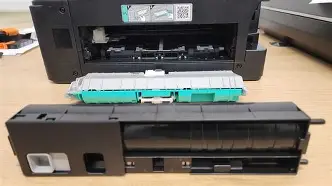
2. Document vs Photo Balance
If the output mix is primarily documents with occasional photos, a balanced inkjet like the Ts702A is appropriate. If the priority is high-fidelity photo prints for sale or exhibition, prioritize dedicated photo printers with multiple photo inks and wider color gamuts.
3. Running Cost and Consumables
Research cartridge yield and the availability of high-yield options. Compare cost-per-page for both black-and-white and color jobs. Factor in the frequency of color photo printing, which increases consumable turnover and overall expense.
4. Connectivity and Ecosystem
Confirm compatibility with existing devices and workflows. Look for support for common mobile printing standards and a stable wireless setup process. Buyers in managed network environments should verify whether wired networking options are required.
5. Space and Ergonomics
Measure the intended placement area. The Ts702A’s compact footprint favors small spaces, but check paper tray access and output clearance to ensure the device will fit comfortably where it will be used.
6. Maintenance and Support
Consider warranty length and local support availability. Read reviews on long-term reliability and look for indicators of good manufacturer support, such as clear online documentation and responsive customer service channels.
7. Future Needs
Anticipate how needs may change. If a business plans to scale up printing demands, investing in a model with higher duty cycles, larger input trays, or centralized management features may be more cost effective in the long run than starting with an entry model.
Real-World Use Cases
The Ts702A fits several practical user profiles:
- Remote professional: Produces client-ready proposals and occasional color materials without taking up significant desk space.
- Student: Prints assignments, lab reports, and photo projects; mobile printing from a phone or laptop adds convenience between classes and home.
- Small-business owner: Handles receipts, menus, flyers, and light marketing collateral when print volumes are moderate and convenience is important.
- Family photo printing: Delivers good-quality snapshots for albums and gifts without the expense and complexity of a dedicated photo printer.
Conclusion
The Pixma Ts702A is a practical, well-rounded entry in Canon’s Pixma line that serves the needs of users seeking a compact, reliable printer for mixed document and casual photo tasks. It performs especially well where space and simplicity are priorities, offering dependable text quality, acceptable photo reproduction, and straightforward wireless workflows. Prospective buyers should weigh expected monthly volumes and consumable costs against their needs: for heavy monochrome volumes or professional-grade photographic output, other technologies may be more appropriate. For students, home offices, and small-business owners with mixed printing needs, the Ts702A represents a sensible balance of features and usability that merits consideration.