5 Hidden Features of the Canon Eos C50 You Must Know About
Introduction
The Canon Eos C50 has captured the attention of videographers and hybrid shooters looking for a compact yet powerful cinema camera. While its headline specs are widely publicized—such as its Super 35mm Dual Gain Output sensor, 4K video, and Canon's renowned Dual Pixel autofocus—the Eos C50 harbors a range of advanced, subtle features that can dramatically enhance the shooting experience. This article dives beneath the surface to uncover five of the most valuable hidden features of the Canon Eos C50. These elements often go unnoticed but can make a real-world difference for filmmakers, content creators, and commercial video professionals invested in extracting maximum value and versatility from their gear.
Canon Eos C50: Detailed Review
Canon's Eos C50 is part of the Cinema EOS line, blending professional video functionality with a form factor reminiscent of mirrorless and DSLR bodies. It targets filmmakers who need a lightweight solution without compromising core cinema features. Out of the box, users benefit from seamless autofocus, broad dynamic range, and robust image quality. But as with many tools in the professional video space, the magic sometimes lies in features that aren’t front-and-center in the marketing brochures.
Hidden Feature 1: Advanced Custom LUT Import and On-Board Color Grading
While most cinema cameras offer some level of LUT (Look Up Table) support, the Eos C50 allows for highly customized color workflows. It supports the import of multiple user LUTs directly to the camera via an SD card. This makes it possible to preview your creative look on set, bake in stylized grades, or supply clients with deliverables that closely match the approved grade—without extensive post-production.
- Real-World Use Case: Event filmmakers can load a wedding-specific LUT to the camera, ensuring in-camera footage matches the established aesthetic, reducing grading time in post.
- Buyer Value: Professionals who work with recurring clients or must supply same-day edits benefit from repeatable, consistent color straight out of the camera.
Hidden Feature 2: Internal Proxy Recording for Efficient Post Workflows
The Eos C50 supports simultaneous proxy recording—a feature inherited from Canon's higher-end cinema cameras. This means as you record your high-bitrate, primary footage, the camera can also record a smaller, lower-resolution proxy file. Editors can immediately begin assembling timelines with the lightweight proxies, streamlining rough cuts and collaboration, then relink to full-resolution files for color and finishing.
Discover deals on Cameras & Photography — updated daily.
See Deals →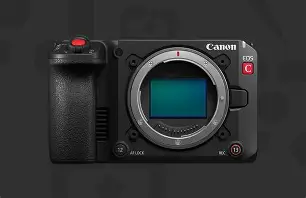
- Real-World Use Case: Documentary shooters in the field can hand off proxies to editors before returning from location, drastically reducing turnaround times for rough edits.
- Buyer Value: Productions with multiple shooters or tight deadlines will appreciate the ability to work with proxies—saving on file transfer and upload times.
Hidden Feature 3: Audio Channel Customization and Enhanced Preamp Control
Unlike many cameras in its class, the Eos C50 offers deep audio configuration from the menu system. Users can assign any input (internal mic, XLR, 3.5mm mic) to any audio channel, mix mono and stereo inputs, and independently adjust gain for each channel. The camera’s preamps exhibit low-noise performance, rivaling external recorders in many situations.
- Real-World Use Case: On small crews, an operator can quickly assign a lavalier to one channel and a shotgun to another, maintaining clean, non-destructive separation for each audio track.
- Buyer Value: Run-and-gun documentary and event shooters avoid the need for bulky field mixers, relying instead on robust in-camera audio separation and gain staging.
Hidden Feature 4: Electronic Image Stabilization (IS) with Coordinated Control
The Eos C50 introduces advanced electronic image stabilization that works in conjunction with Canon’s stabilized lenses. It analyses sensor data in real-time, offering additional stability to handheld footage—especially when using non-stabilized prime lenses. This coordinated IS mode gives creators smoother handheld shots in both video and even walk-and-talk interviews.
- Real-World Use Case: Documentary filmmakers covering dynamic, unpredictable action can produce steady, professional footage with small lenses—no gimbal required.
- Buyer Value: Light-packing travel shooters gain enhanced mobility, lessening their reliance on heavy stabilizer rigs.
Hidden Feature 5: Silent Run Mode and Customizable Button Sets
A subtle but critical feature for live-event or wildlife videographers is the Eos C50’s Silent Run capability. The camera can suppress operational sounds (such as beeps and relay clicks) and limit display overlays, allowing discrete operation during sensitive shoots. Furthermore, up to seven buttons can be custom-assigned for rapid access to any menu setting, function, or frequently toggled parameter, including waveform monitoring, ND filters, or autofocus type—empowering users to tailor the camera to their shooting style.
Looking for the best Cameras & Photography deals on Amazon?
Browse Now →- Real-World Use Case: Wedding videographers can capture quiet moments without audio pollution, and swiftly toggle settings with one hand during rapidly changing lighting conditions.
- Buyer Value: Increased confidence in high-pressure, single-operator situations with the ability to respond instantly to changing creative or technical demands.
Pros & Cons of the Canon Eos C50
- Pros:
- Compact and lightweight for a cinema camera
- Superb, customizable color profiles with support for user LUTs
- Proxy recording for post-production efficiency
- Advanced, assignable audio inputs and clean preamps
- Effective electronic image stabilization, especially with non-IS lenses
- Extensive customization of controls and silent operation mode
- Cons:
- No built-in EVF (Electronic Viewfinder)
- Single SD card slot may deter some professionals
- Limited slow-motion capabilities at highest resolutions
- Requires accessories for the best ergonomic experience (handles, grips, XLR adapters)
Canon Eos C50 vs. Competitors
| Feature | Canon Eos C50 | Sony FX30 | Panasonic Lumix GH6 |
|---|---|---|---|
| Sensor Size | Super 35mm DGO | Super 35mm | Micro Four Thirds |
| Custom LUT Support | Yes (Multi-LUT Import) | Yes | Yes |
| Proxy Recording | Yes (Simultaneous) | Yes | No |
| In-Body Image Stabilization | Electronic IS (with lens coordination) | Electronic IS | 5-axis IBIS |
| Audio Customization | Advanced (Input Mapping, Clean Preamp) | Basic (Input Switch) | Advanced (Audio Adapter Option) |
| Silent Operation | Yes (Silent Run Mode) | Limited | Yes |
| Weight (Body Only) | ~1.6 lbs (730g) | ~1.4 lbs (646g) | ~1.2 lbs (823g) |
| Media Slots | Single SD | Dual CFexpress Type A/SD | Dual SD |
| Best For | Hybrid cinematography, fast delivery, custom workflows | Affordable cinema, compact run-and-gun | Micro Four Thirds shooters, stabilization needs |
Buying Guide: How to Choose the Right Cinema Camera in This Class
- Assess Your Workflow Needs: If you rely heavily on color grading, custom LUT support in the field is crucial. The Eos C50's onboard color tools shine in these scenarios.
- Consider Post-Production Demands: Productions with tight deadlines or collaborative workflows benefit from internal proxy recording, minimizing downtime between shoot and edit.
- Audio Requirements: Single-operator, run-and-gun, and event shooters should focus on flexible and high-quality in-camera audio solutions. The Eos C50 simplifies on-set audio routing, potentially eliminating the need for external recorders.
- Stabilization and Mobility: If you shoot handheld or travel frequently, advanced image stabilization and a compact body matter more than pure sensor size or frame rate specs alone.
- Ergonomics and Customization: Cameras like the Eos C50, with customizable controls and silent operation, empower users in high-pressure live environments—contrasted with models that may be less adaptable out of the box.
- Media and Accessories: If redundant recording is critical for your projects, consider whether a single SD slot is sufficient or if you require dual-card options as found in some competitors.
Conclusion
The Canon Eos C50 demonstrates that camera innovation isn’t always about headline specs—true versatility is built on the subtle, workflow-driven features that enhance the shooting process. Custom LUT management, simultaneous proxy recording, pro-level audio routing, advanced stabilization, and highly-tailorable controls set the Eos C50 apart from much of the mid-tier cinema crowd. For buyers seeking a compact, powerful, and adaptable camera for commercial, documentary, or creative work, these hidden features can unlock smoother productions and superior final results.